
 Portugues
 Pусский
 Türk dili
 Tiếng Việt
Nonwoven Fabric Production Line
Nonwoven Fabric Production Line A nonwoven fabric production line is a highly automated system designed to manufacture nonwoven fabrics through various processes, depending on the desired end-use properties. Nonwoven fabrics are engineered materials made from fibers bonded together by mechanical, thermal, or chemical means, rather than weaving or knitting. These fabrics are widely used in industries such as hygiene, medical, filtration, automotive, and construction due to their versatility, cost-effectiveness, and performance characteristics. Key Components of a Nonwoven Production Line 1. Fiber Preparation and Feeding The process begins with fiber preparation, where raw materials (e.g., synthetic polymers like polypropylene, polyester, or natural fibers) are opened, blended, and cleaned. The fibers are then fed into the production line through an automated feeding system to ensure uniform distribution. 2. Web Formation The fibers are formed into a web using one of the following methods: - Dry-Laid (Carding or Airlaid): Carding machines align fibers into a thin web, while airlaid systems disperse fibers randomly using air streams. - Wet-Laid: Fibers are suspended in water and deposited onto a screen, similar to papermaking. - Spunbond or Meltblown: Polymer granules are melted and extruded through spinnerets to form continuous filaments, which are then laid into a web. 3. Web Bonding The loose fiber web is bonded to enhance strength and stability using different techniques: - Mechanical Bonding (Needle Punching or Hydroentanglement): Needles or high-pressure water jets interlock fibers. - Thermal Bonding (Calendering): Heat and pressure fuse fibers together, often using heated rollers. - Chemical Bonding: Binders or adhesives are applied to strengthen the web. 4. Finishing and Treatment The fabric may undergo additional treatments such as coating, laminating, printing, or antimicrobial treatment to enhance functionality. 5. Winding and Slitting The final fabric is wound into rolls and slit to the required width for packaging and distribution. Advantages of Nonwoven Production Lines - High Efficiency: Continuous, automated processes ensure high production speeds and consistent quality. - Customization: Different bonding methods and fiber blends allow for tailored properties (e.g., softness, strength, absorbency). - Sustainability: Some lines use recycled fibers or biodegradable materials, reducing environmental impact. Applications of Nonwoven Fabrics - Hygiene Products: Diapers, sanitary napkins, and wipes. - Medical: Surgical masks, gowns, and wound dressings. - Filtration: Air and liquid filters. - Automotive: Car interiors and insulation. - Geotextiles: Soil stabilization and erosion control. In summary, a nonwoven fabric production line integrates advanced technology to transform raw fibers into functional fabrics efficiently, meeting diverse industry demands.
Products
Category:
-
Nonwoven Fabric Manufacturer
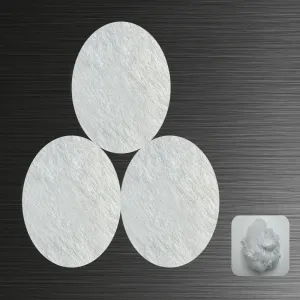
Category: Insulating Nonwoven FabricBrowse number: 10Number:Release time: 2025-12-03 09:55:22A Nonwoven Fabric Manufacturer specializes in producing versatile, high-performance fabrics used in industrial, medical, automotive, filtration, and consumer applications. Nonwoven fabrics are distinct from woven or knitted textiles because they are manufactured by directly bonding fibers through mechanical, chemical, or thermal processes. This results in a uniform, durable, lightweight material with excellent mechanical, filtration, insulation, and barrier properties.
News
Category:
-
[industry news]How to adjust the surface friction coefficient of nonwoven f...
2025-12-03 14:35:11
Case
Category:
No search results found!
Video
Category:
No search results found!
Download
Category:
No search results found!
Job
Category:
No search results found!
Featured Products
-
NEWS
Nonwoven Fabric Manufacturer
Learn more



 Phone
Phone