
 Portugues
 Pусский
 Türk dili
 Tiếng Việt
polyester film polyester nonwoven 6641 laminate
Polyester Film and Polyester Nonwoven 6641 Laminate: A Comprehensive Overview Polyester film and polyester nonwoven 6641 laminate is a high-performance composite material widely used in various industrial and consumer applications. This laminate combines the superior properties of polyester film and polyester nonwoven fabric, offering exceptional strength, durability, and versatility. Below is a detailed description of its composition, characteristics, manufacturing process, and applications. Composition and Structure The laminate consists of two primary layers: 1. Polyester Film (PET Film): A thin, transparent, or semi-transparent film made from polyethylene terephthalate (PET). It provides excellent mechanical strength, chemical resistance, and thermal stability. 2. Polyester Nonwoven 6641: A nonwoven fabric made from polyester fibers, known for its high tensile strength, breathability, and resistance to moisture and abrasion. These layers are bonded together using advanced lamination techniques, such as thermal bonding or adhesive lamination, ensuring a strong and uniform composite structure. Key Properties - Mechanical Strength: The combination of polyester film and nonwoven fabric enhances tear resistance and puncture resistance, making the laminate suitable for demanding applications. - Chemical Resistance: Resistant to oils, solvents, and many chemicals, ensuring durability in harsh environments. - Thermal Stability: Maintains performance across a wide temperature range, from sub-zero conditions to elevated temperatures. - Moisture Resistance: The nonwoven layer provides breathability while the film layer acts as a moisture barrier, preventing liquid penetration. - Lightweight & Flexible: Easy to handle and process, yet robust enough for structural applications. Manufacturing Process The laminate is produced through a controlled lamination process: 1. Material Preparation: The polyester film and nonwoven fabric are inspected for quality and uniformity. 2. Bonding: The layers are combined using heat, pressure, or adhesives to ensure a strong, permanent bond. 3. Finishing: The laminated product may undergo additional treatments, such as coating or embossing, to enhance functionality. Applications Due to its superior properties, this laminate is used in: - Protective Packaging: For electronics, medical devices, and industrial components requiring moisture and abrasion resistance. - Industrial Insulation: As a barrier material in construction and automotive applications. - Medical & Hygiene Products: In surgical drapes, wound dressings, and disposable medical covers. - Filtration Media: For air and liquid filtration systems due to its fine fiber structure. - Automotive Interiors: As a lightweight, durable material for seat covers and headliners. Conclusion The polyester film and polyester nonwoven 6641 laminate is a highly functional material that meets the demands of multiple industries. Its combination of strength, flexibility, and resistance to environmental factors makes it an ideal choice for applications requiring durability and performance. As technology advances, this laminate continues to evolve, offering even greater possibilities for innovation in material science.
Products
Category:
-
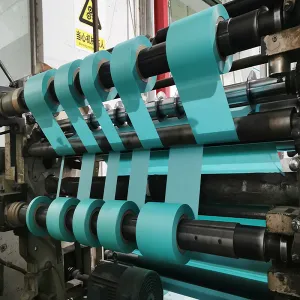
DMD-F6641 polyester film nonwoven insulation
Category: Polyester film and polyester fiber nonwoven composite material (DMD-F6641)Browse number: 12Number:Release time: 2025-12-09 16:12:40DMD-F6641 polyester film and polyester fiber nonwoven composite insulation is engineered for high-temperature, high-load electrical environments where superior electrical insulation and mechanical performance are required. The three-layer composite construction—polyester nonwoven + polyester film + polyester nonwoven—provides a balance of strength, dielectric reliability, and thermal endurance suitable for continuous operation at 155°C. This material is commonly used in industrial motors, transformers, electric tools, generators, coils, and various electromechanical systems operating under demanding conditions.
News
Category:
-
[Company News]Exploring Polyester Fiber Nonwoven Fabric’s Contribution to...
2025-12-17 08:38:59
Case
Category:
No search results found!
Video
Category:
No search results found!
Download
Category:
No search results found!
Job
Category:
No search results found!
Featured Products
No search results found!



 Phone
Phone